

No Incubator? No Problem! 3 Budget-Friendly Ways to Grow Bacteria in Your Classroom
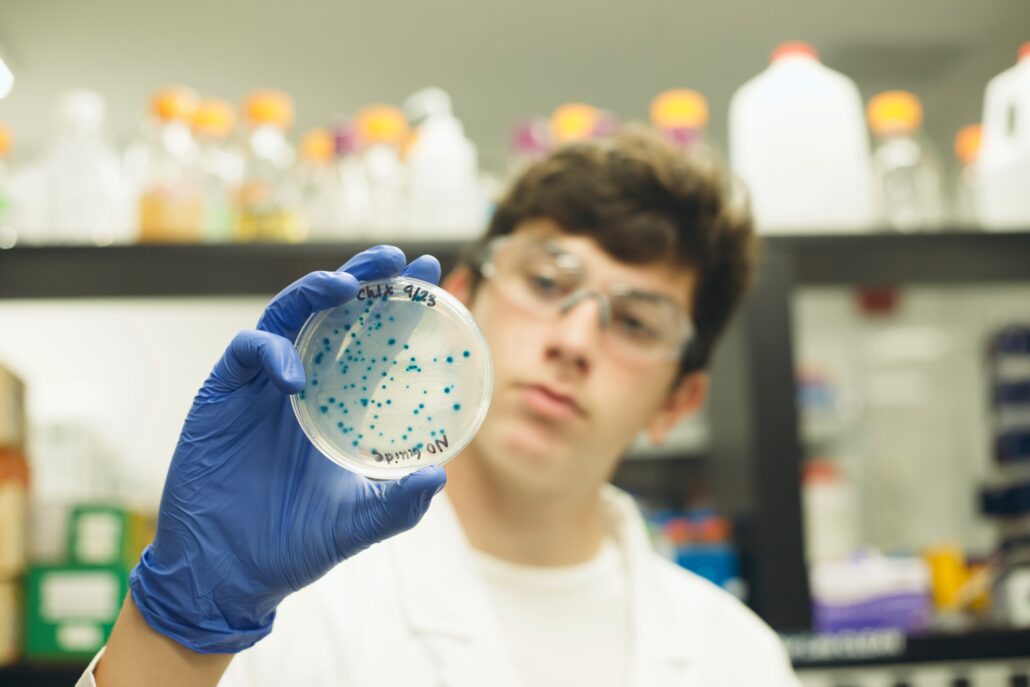
Hands-on science experiments like growing bacteria can spark student interest in science, but the cost of specialized laboratory equipment can sometimes be prohibitive. This post will cover three low-cost ways to grow bacteria in the classroom without a standard laboratory incubator.
1. Grow bacteria at room temperature.
- In many cases, you don’t need an incubator to grow bacteria.
- Bacteria will grow, albeit slowly, if kept at room temperature. It can take 3-4 days for bacterial growth to become visible.
2. Build your own incubator.
- There are several methods teachers can use to create a DIY incubator, including using a heating pad to raise the temperature of an enclosed space, such as a drawer, or using a crockpot.
- Aim for a temperature between 30 °C and 35 °C, and be sure to test your creation with a thermometer since excessive heat can kill bacteria.
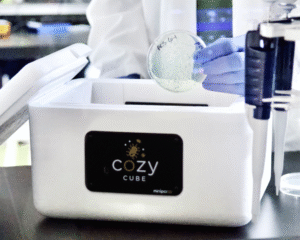
3. Cozy Cube™: Budget-friendly 37 °C incubator.
- The Cozy Cube™ Incubator offers highly reliable temperature control in a small footprint, with efficient insulation that makes it ideal for bacterial culture.
- Holds enough bacterial plates for an entire class — fits twenty 90 mm or sixty-six 60 mm Petri dishes!
With these methods, you can grow bacteria in the classroom without breaking the bank. Remember, always follow appropriate laboratory safety practices when handling bacteria and dispose of samples properly.
Looking for an even simpler way to cover bacterial transformation in your classroom?
The True Blue Digital Lab is a virtual simulation where students conduct and analyze a real transformation experiment, step-by-step. Through engaging videos and autograded assessment questions, students explore key concepts like antibiotic selection, make predictions, and interpret authentic experimental results. Preview the Digital Lab today by setting up a free teacher account at digital.minipcr.com.