

Biotech Career Profile: Sasha Krol, Alkermes
Sasha Krol, Alkermes
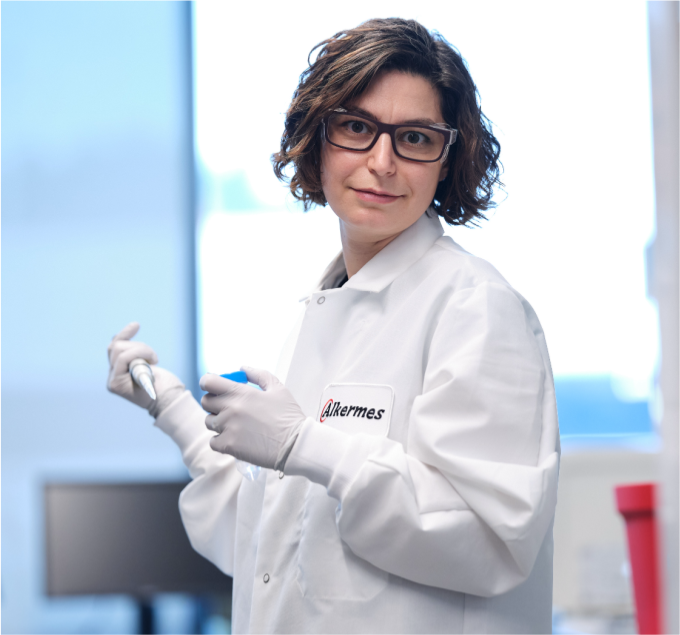
Alkermes is a biopharmaceutical company that develops medicines designed to help people living with complex and difficult-to-treat psychiatric and neurological disorders. Dr. Sasha Krol is a Senior Scientist at Alkermes who uses CRISPR in her work to identify potential drug targets.
Can you summarize your educational background?
I have always been fascinated by science. For college, I attended the University of Cambridge, where I could specialize in science from the outset and work closely with professors and small groups of students. Then, I earned a Ph.D. in Neurobiology at Harvard, studying how the nervous system is wired during development. During my postdoctoral fellowship at MIT, my work focused on the genetics of autism.
How did you become interested in biotech?
I was drawn to the opportunity to work on numerous projects and collaborate with many people working towards a common goal. It is also exciting to work on something that could reach patients and make a real difference in their lives.
What does your current position entail?
I use genetic tools like CRISPR to help identify potential drug targets for complex diseases like addiction, schizophrenia, and dementia. We currently lack a comprehensive understanding of the causes of these diseases, and identifying the genes that contribute to them is essential.
Can you describe how CRISPR revolutionized biology research and applied biotechnology?
Deliberately altering an organism’s DNA is an incredibly useful tool. To understand the biological processes in any organism, we must comprehend how its genes function. One of the best ways to determine the function of a specific gene is to observe what happens when its DNA code is altered. Even 15 years ago, it was very difficult to modify the DNA in living organisms. CRISPR technology has made DNA editing easier, faster, and more efficient, enabling its use not just for research but also in medicine. Some diseases have a clearly defined genetic cause; in these cases, using CRISPR gene editing to correct the DNA mutation in the affected cells can correct the underlying cause of the disease. Indeed, a handful of CRISPR-based medicines have been used to treat genetic diseases, and many more are currently in clinical trials.
What do you love about your job?
I love thinking about science, solving problems, and working with other scientists!