
Digital Labs to explore genetics in AP Biology
Advanced Placement (AP®*) Biology, developed by the College Board, is a rigorous and wide-ranging curriculum that requires students to develop a deep understanding of core concepts. Because online resources incorporate a wide range of engaging instructional approaches, they can offer a more effective way for students to build understanding. miniPCR Digital Labs provide interactive virtual learning experiences that cover essential AP Biology topics, giving you a new tool to help students engage with complex biological concepts.
Let’s explore our digital resources for AP Biology:
1. PTC Taster Digital Lab: Exploring genetic variation
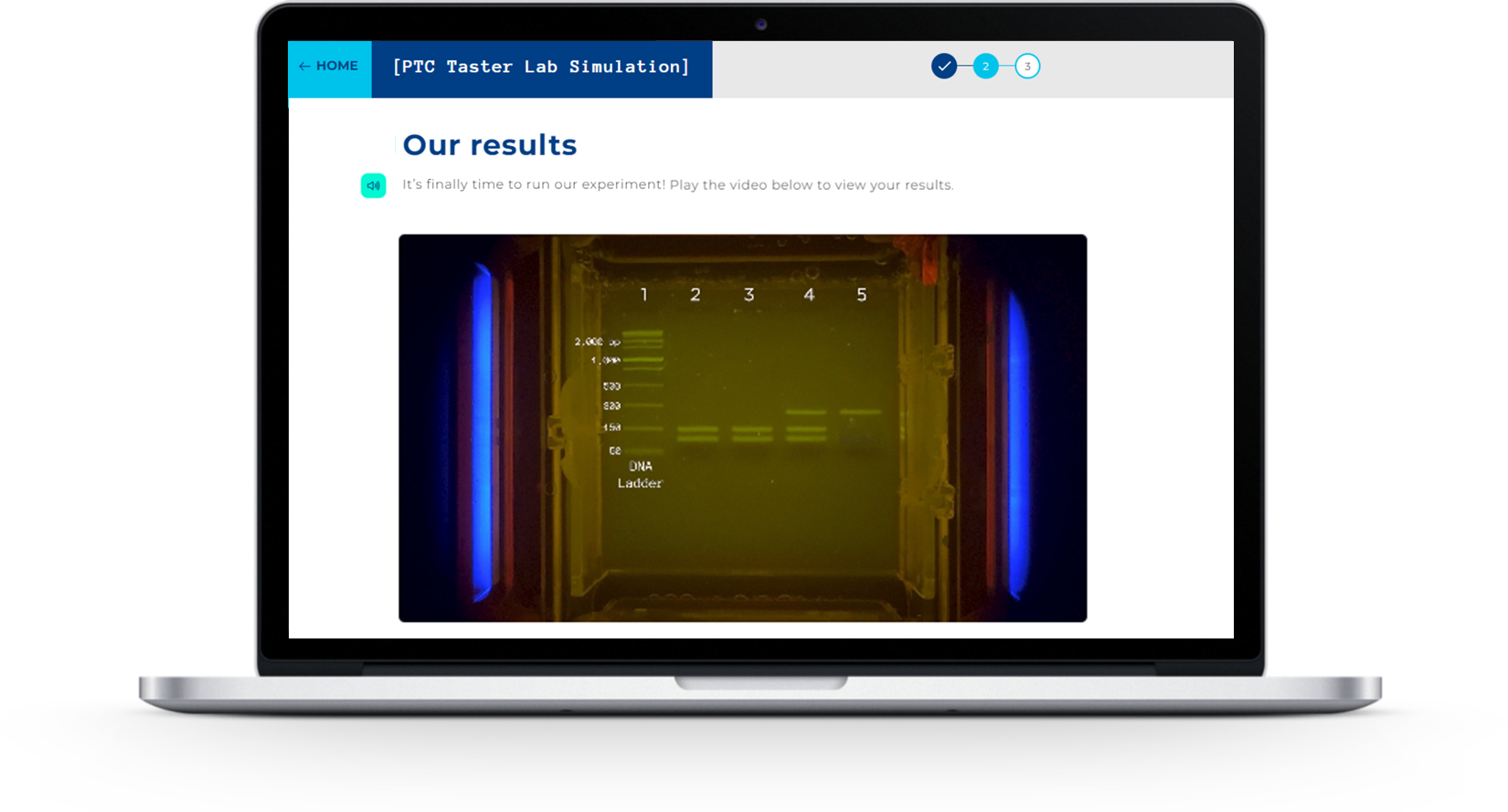
The PTC Taster Digital Lab is a great fit to cover AP Biology’s genetic variation, inheritance, and biotechnology content. Through this virtual lab, students explore the expression and inheritance of the gene that determines whether a person can taste the bitter compound phenylthiocarbamide (PTC). This Digital Lab helps students connect genetics to physiology and addresses multiple AP Biology topics along the way, including:
-
Topic 5.3: Mendelian Genetics – In this Digital Lab, students explore the inheritance of TAS2R38, a gene that affects PTC tasting. They explore this gene’s inheritance pattern and connect TAS2R38 genotype to PTC taster phenotype.
-
Topic 6.1: DNA and RNA Structure and Topic 6.7: Mutations – The lab introduces the structure and function of DNA, explaining how a single nucleotide polymorphism (SNP) in the TAS2R38 gene affects the function of the TAS2R38 protein and, in turn, the ability to taste PTC.
-
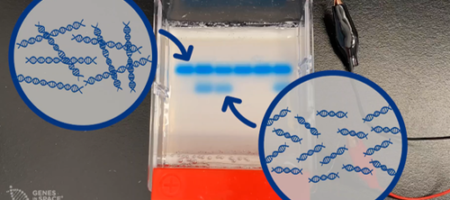
Topic 6.8: Biotechnology – This experiment employs a complete biotechnology workflow–including PCR, restriction digest, and gel electrophoresis–to investigate genetic variation, as exemplified by the PTC gene. Through rich animations and interactive assessments, students explore how each step of the experiment contributes to their ultimate goal of identifying an individual’s TAS2R38 genotype.
Through its coverage of inheritance patterns and molecular techniques, this lab helps students build a strong, integrated understanding of how genetic information translates into observable traits—a key focus of molecular genetics in AP Biology.
2. Central Dogma Digital Lab: Visualizing gene expression
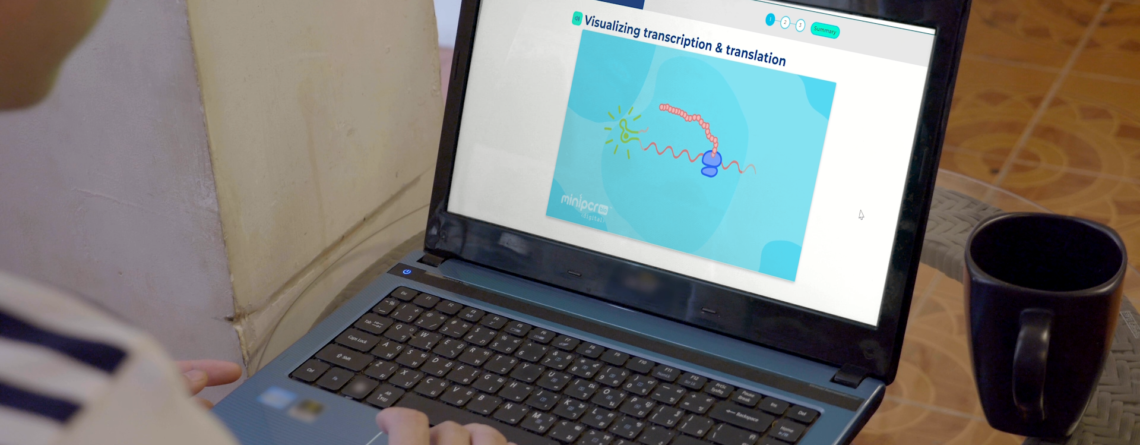
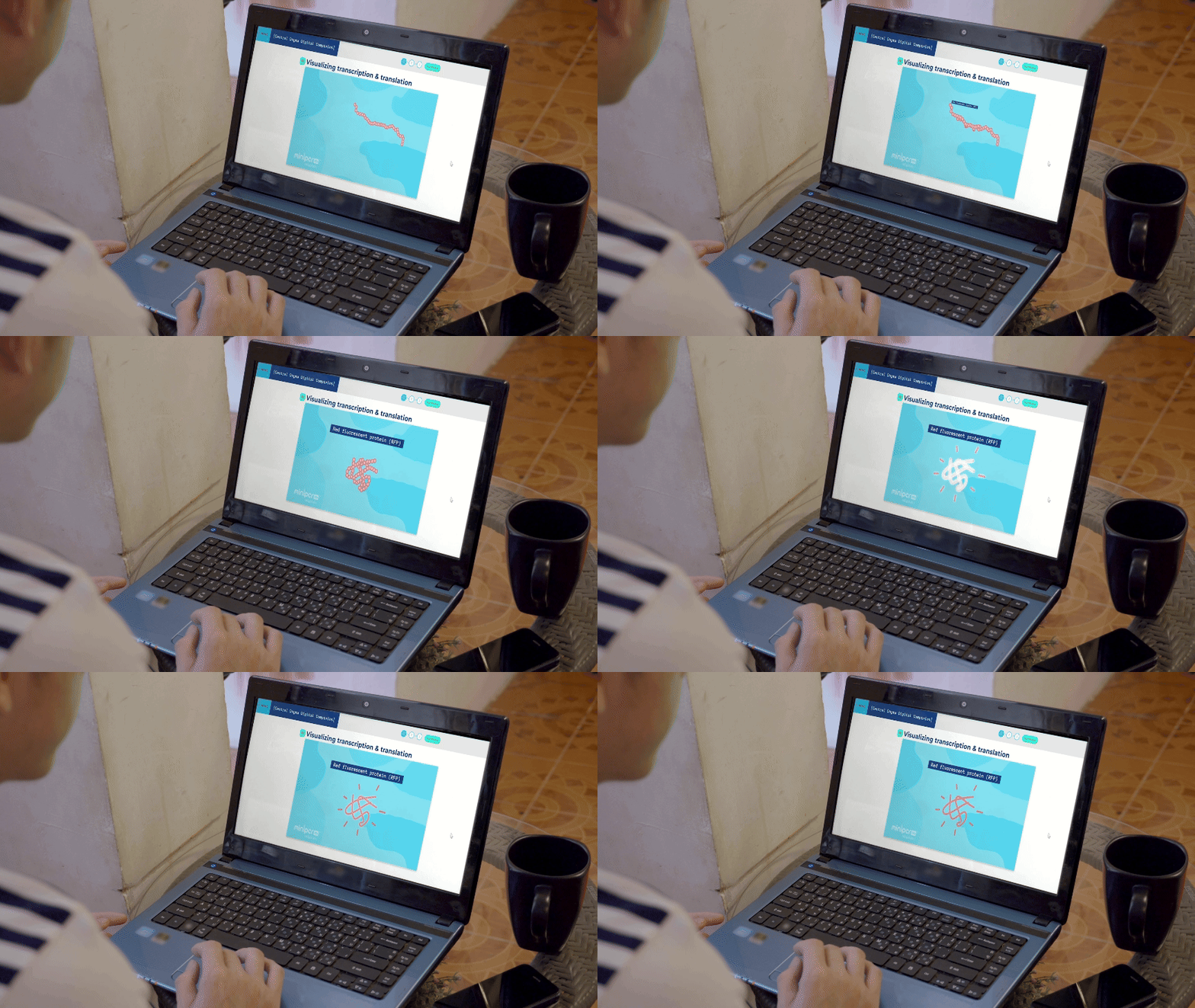
The Central Dogma Digital Lab brings the processes of molecular biology to life by helping students visualize the critical steps of transcription and translation. This lab offers a highly visual, narrative-driven experience that supports AP Biology students as they study how genetic information is decoded during the process of protein synthesis. Key topics covered in the Central Dogma Lab include:
-
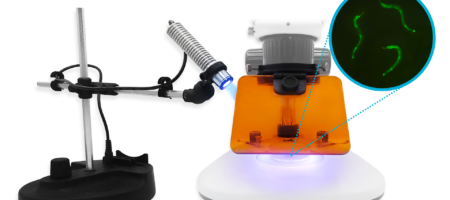
Topic 6.3: Transcription and RNA Processing – In this Digital Lab, students watch videos of a real experiment that uses BioBits, an innovative in vitro protein expression system, to visualize the production of RNA and proteins based on a DNA template. Students will observe fluorescence as DNA is transcribed into RNA in real time, illustrating RNA’s essential role as the messenger of genetic information. The lab reinforces key concepts about the structure and function of DNA and RNA and their roles in protein synthesis.
-
Topic 6.4: Regulation of Gene Expression – Using fluorescent readouts, the lab allows students to observe protein production in real time, helping them understand how genetic information is translated into functional proteins.
-
Topic 6.7: Mutations – By directly observing how mutations in DNA affect protein synthesis, students gain insight into how genetic mutations can lead to different phenotypic outcomes.
This Digital Lab allows students to observe and manipulate the molecular processes of transcription and translation, reinforcing these core concepts and making them more accessible.
3. Sickle Cell Genetics Digital Lab: Investigating a genetic disease
The Sickle Cell Genetics Digital Lab tracks the inheritance of the sickle cell allele through a family to diagnose baby Marie. This Digital Lab introduces students to key molecular techniques, including PCR, restriction digestion, and gel electrophoresis. Explore Mendelian inheritance, genotype-phenotype relationships, and the molecular basis of sickle cell disease. Key topics covered in the Sickle Cell Genetics Digital Lab include:
- Topic 5.3: Mendelian Genetics – In this Digital Lab, students explore the inheritance of the sickle cell allele, a variant of the beta-globin gene that results in an abnormality in red blood cell shape. They examine the inheritance pattern of this gene and link the beta-globin genotype to the sickle cell disease phenotype.
- Topic 6.7: Mutations – The lab introduces the structure and function of DNA and explains how a single nucleotide polymorphism (SNP) in the beta-globin gene affects beta-globin protein function and, in turn, red blood cell morphology.
- Topic 6.8: Biotechnology – This experiment employs a complete biotechnology workflow–including PCR, restriction digest, and gel electrophoresis–to investigate genetic variation, as exemplified by the beta-globin gene. Through rich animations and interactive assessments, students explore how each step of the experiment contributes to their ultimate goal of identifying an individual’s sickle cell phenotype.
Through its coverage of inheritance patterns and molecular techniques, this lab helps students build a strong, integrated understanding of how genetic information translates into observable traits—a key focus of molecular genetics in AP Biology.

4. True Blue Digital Lab: Bacterial transformation made simple
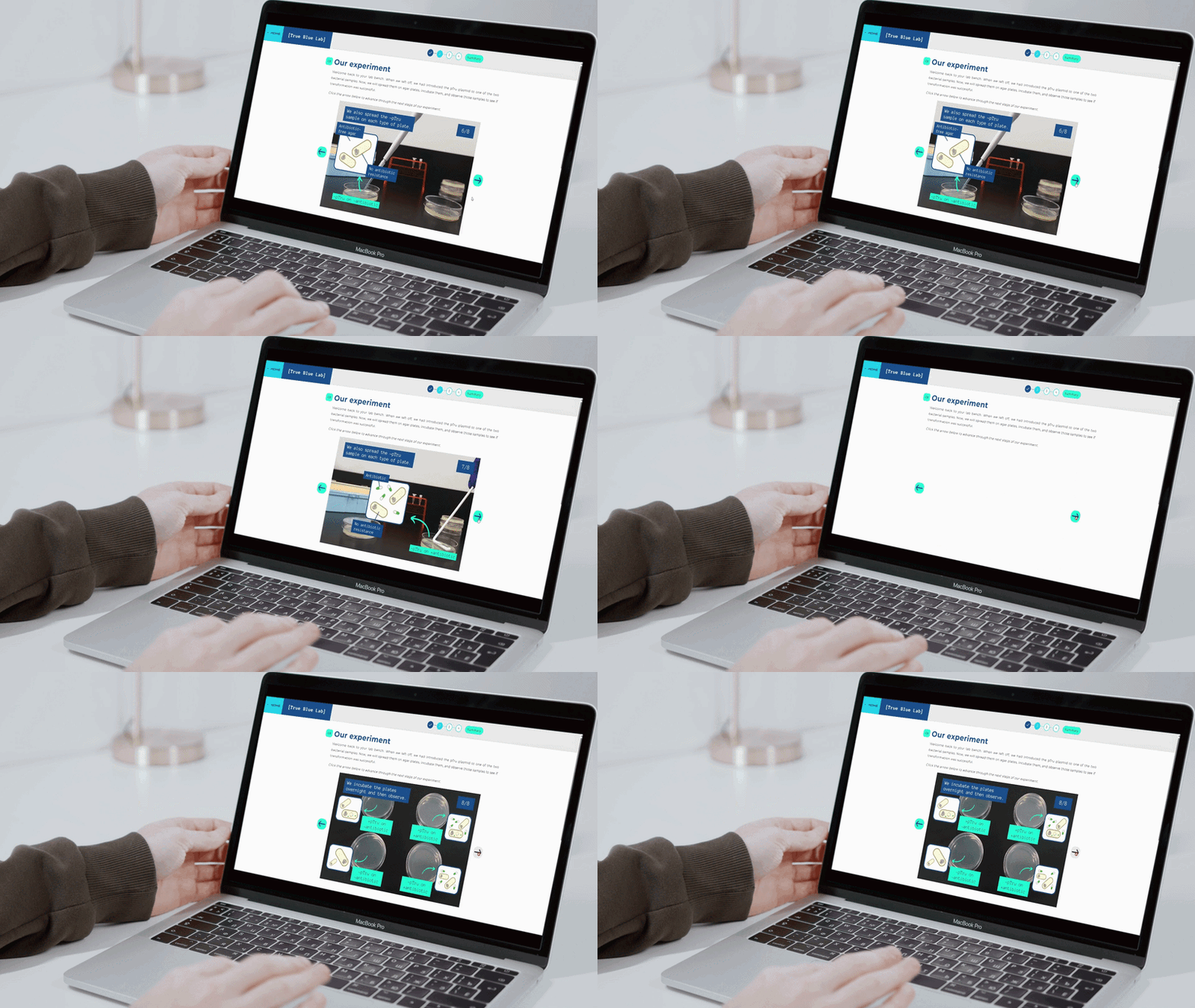
The True Blue Digital Lab walks students through a complete bacterial transformation experiment, step by step. Based on our popular hands-on True Blue Transformation Lab, this interactive simulation shows students how bacteria can be transformed with a plasmid that produces a blue color change. Along the way, students explore essential concepts like antibiotic selection, gene expression, and gene regulation. Key topics covered by the True Blue Digital lab include:
- Topic 6.5: Regulation of Gene Expression – Students investigate how expression of the lacZ gene controls blue pigment production. They are introduced to regulatory molecules such as activators and repressors and learn how these factors influence transcription.
- Topic 6.8: Biotechnology – This lab provides a complete introduction to bacterial transformation as a foundational biotechnology technique. Students follow each stage of the process, from preparing bacteria for transformation to plating cells and analyzing results. Time-lapse videos of bacterial growth help students connect their predictions to real outcomes, while footage from the bench is paired with molecular-level visuals that make the underlying biology easier to understand.
This Digital Lab helps students connect foundational molecular biology concepts to a real-world biotechnology workflow. It’s a flexible way to bring bacterial transformation into the classroom, whether students are preparing for a hands-on lab or exploring the process entirely online.
5. Lemur Digital Lab: Use genetics to solve an ecology mystery
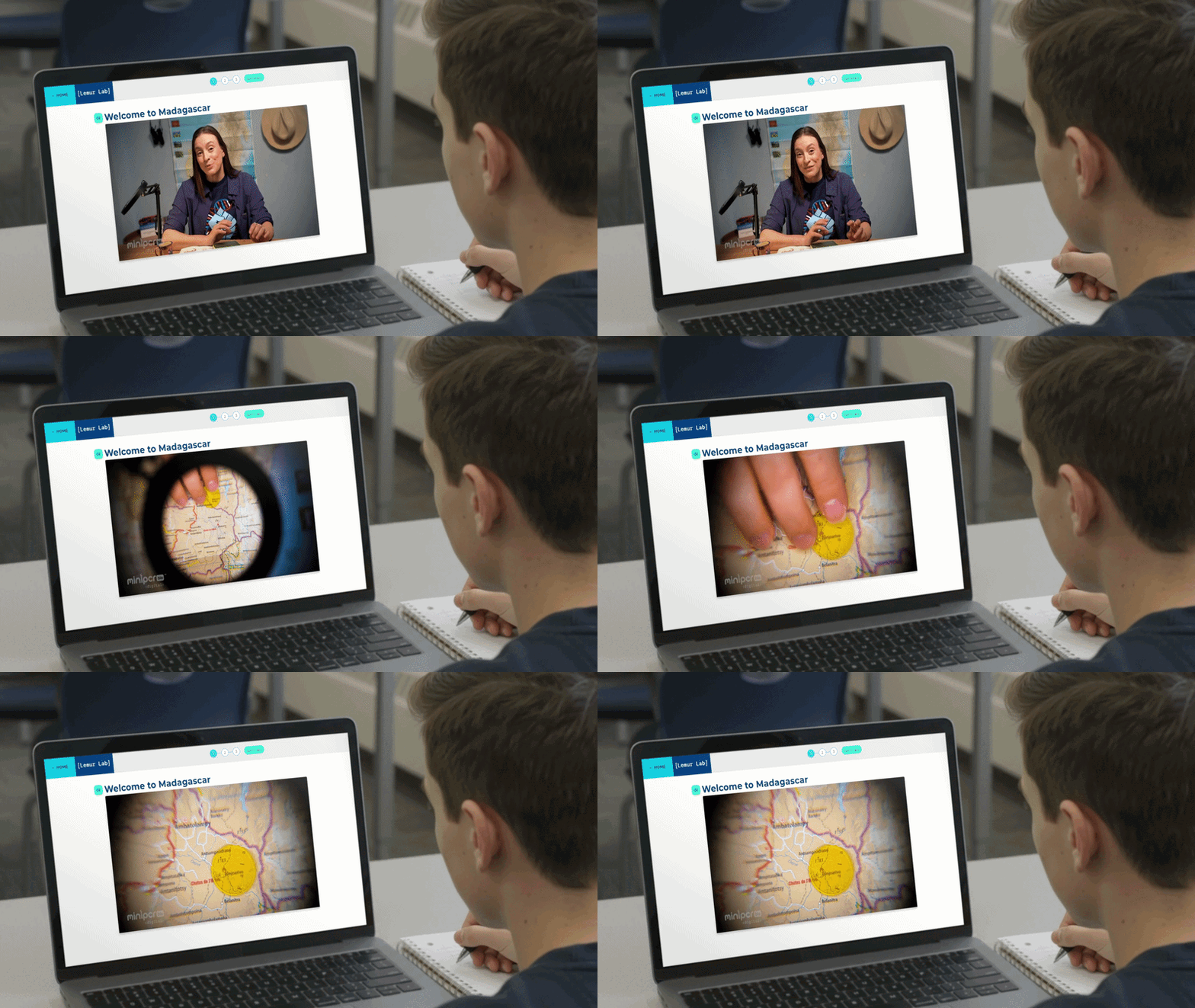
The Lemur Digital Lab brings students into the world of conservation biology through an authentic research investigation based on work by scientists at the Duke Lemur Center. In this virtual field experience, students follow researchers in Madagascar as they investigate a fascinating mystery: could a lemur species thought to be extinct still persist in the wild? Students compare morphological observations and analyze DNA data to determine species identity, then examine how lemur populations have changed over time and consider the implications for conservation. Key topics covered in the Lemur Digital Lab include:
- Topic 7.6: Evidence of Evolution – Students examine evidence that scientists use to understand evolutionary relationships, including morphological characteristics and DNA sequence data. By comparing genetic information from lemur populations, students explore how molecular evidence can help identify species and reveal patterns of relatedness.
- Topic 7.9: Phylogeny – Students use DNA data to investigate relationships among lemur species and understand how scientists classify organisms based on evolutionary history. The lab highlights how genetic information can provide insight into species identity and biodiversity.
- Topic 8.1: Responses to the Environment – Students investigate how organisms interact with their environment by analyzing lemur behavior and population changes over time. They explore how environmental pressures and human impacts can influence species survival and conservation efforts.
Through authentic data, videos featuring a scientist who conducted the research, and interactive data analysis activities, the Lemur Digital Lab gives students a firsthand look at how biologists use genetics and ecology to investigate biodiversity and conservation.
Ready to explore miniPCR Digital?
Register your free miniPCR Digital account for full access to our complete library of Digital Labs.
*AP® is a trademark registered by the College Board, which is not affiliated with, and does not endorse, any products or services referenced on this website.