
Teach Gel Electrophoresis and Core Biology with Safe, Hands-On Dye Labs
Gel electrophoresis is one of the most exciting laboratory techniques you can introduce to a classroom. Not only can watching the migration of molecules across a gel be engaging, but it’s also a powerful teaching tool to explore fundamental biology concepts.
Dye Electrophoresis Learning Labs utilize safe and affordable dye samples, making it easier than ever to introduce gel electrophoresis to your classroom! Read on to learn which Dye Electrophoresis Lab is right for your classroom.
A foundational dye lab to make STEM connections
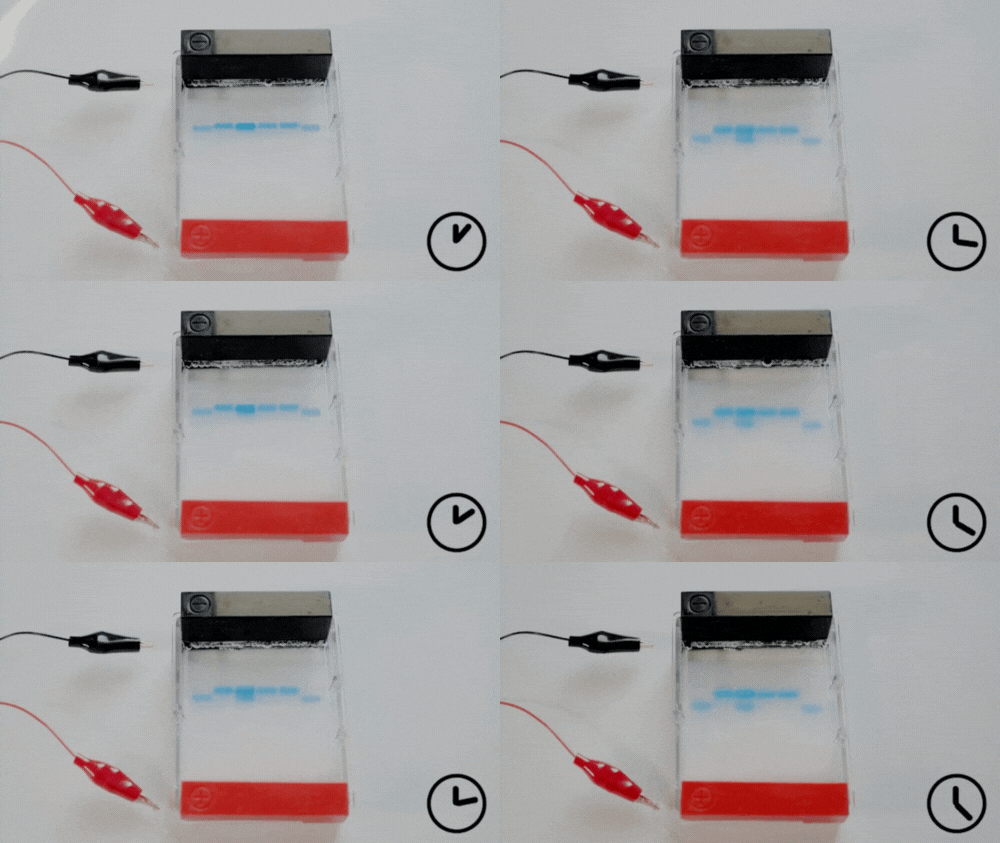
Introduce how gel electrophoresis works and make connections to physical sciences with the Molecular Rainbow Lab
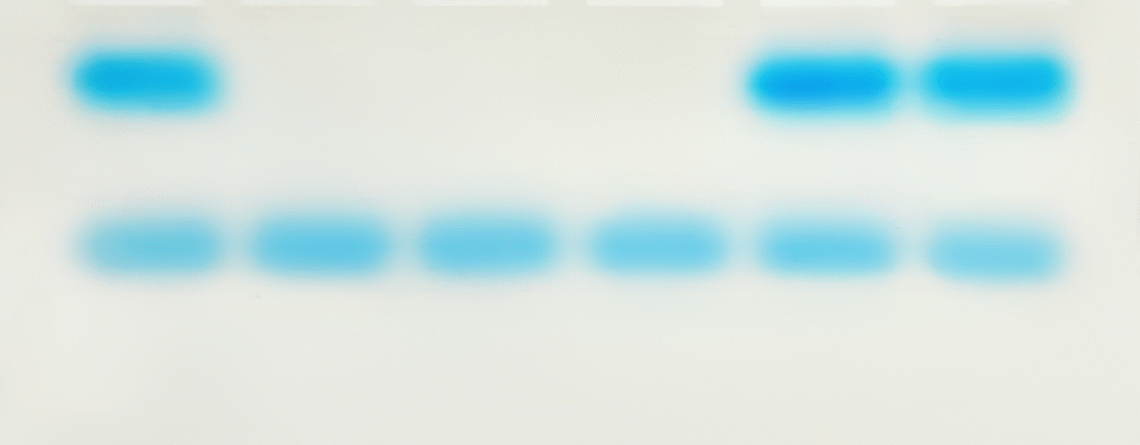
- Students use gel electrophoresis to characterize colored dyes, determining whether each dye is pure or a mixture, as well as the relative size and charge of the dye molecules
- Develop a solid conceptual foundation and practice gel loading
Explore fundamental biology concepts with safe dye electrophoresis
Introduce safe and affordable hands-on approaches that allow students to apply fundamental concepts to solve engaging genetics or forensics scenarios.
- Safe dyes simulate DNA samples in engaging real-world scenarios
- Compatible with any horizontal gel electrophoresis system – works great with the low-cost Bandit STEM Kit
- Watch samples separate in real-time without additional stains or visualization equipment
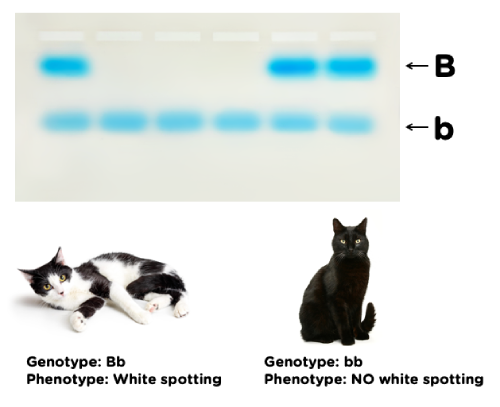
- Explore topics including genotype to phenotype, forensics, and microbiology
Scenario-Based Learning: Explore Biology Concepts with Dye Electrophoresis
- Cat Genetics Lab: Connect genotype and phenotype in a family of cats.
- Mendel’s Peas Lab: Link Mendel’s experiments with today’s understanding of DNA and inheritance.
- Microbe Hunters Lab: Help astronauts identify microbes on the International Space Station using DNA analysis.
- Princes in the Tower Lab: Explore a historical mystery using forensic DNA analysis.
Related Resources: