
Can You Measure the Impact of Climate Change on Genetic Diversity? Meet the Galápagos Penguin Lab
Explore how global climate patterns shape local biodiversity with the Galápagos Penguin Lab: Biodiversity at Risk.
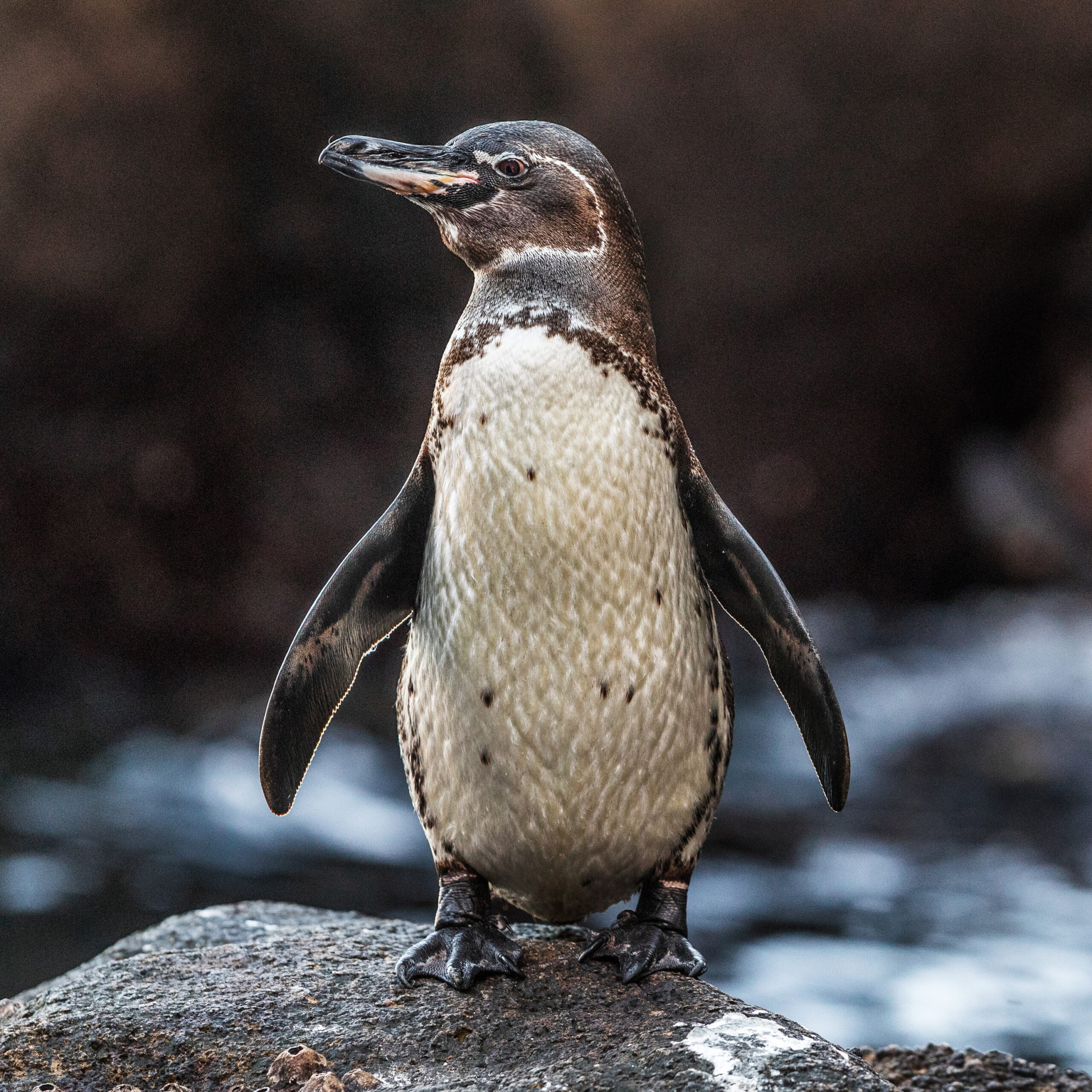
El Niño phases have caused multiple population bottlenecks in Galápagos penguins, reducing their population size, and potentially their genetic diversity. In this gel electrophoresis lab, students analyze DNA from Galápagos penguins to investigate genetic diversity and explore how population bottlenecks can affect a species’ genetic health.
The Galápagos Penguin Lab:
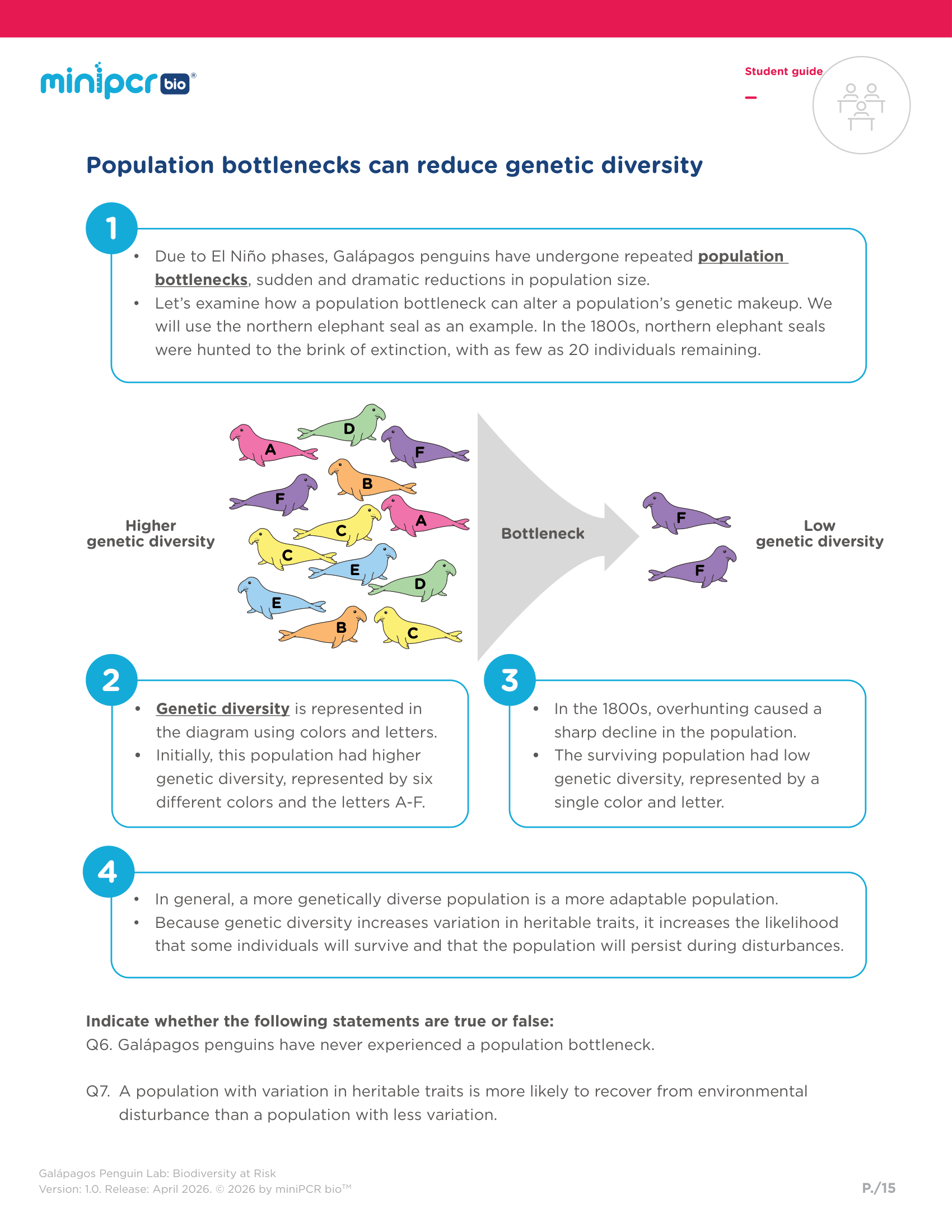 Connects global climate patterns to local biodiversity: Determine whether El Niño phases resulted in low genetic diversity in Galápagos penguins, which could increase their risk of extinction.
- Guarantees student engagement: Students step into the role of research scientists to assess the genetic health of endangered penguins, learning how ecology and genetics are connected!
- Is a perfect hands-on activity for advanced high-school science classes:
- AP Environmental Science: Explore the intersection of environmental and biodiversity science. Students interpret authentic data and evaluate real solutions to conservation problems!
- AP Biology: Add this hands-on lab to your Evolution and Ecology units! This activity bridges population genetics, natural selection, trophic levels, and ecosystem disruptions.
- Is straightforward to implement:
- Easily fits in a 45-minute class period
- Produces compelling gel electrophoresis results in less than 20 minutes
- Requires minimal teacher prep and cleanup
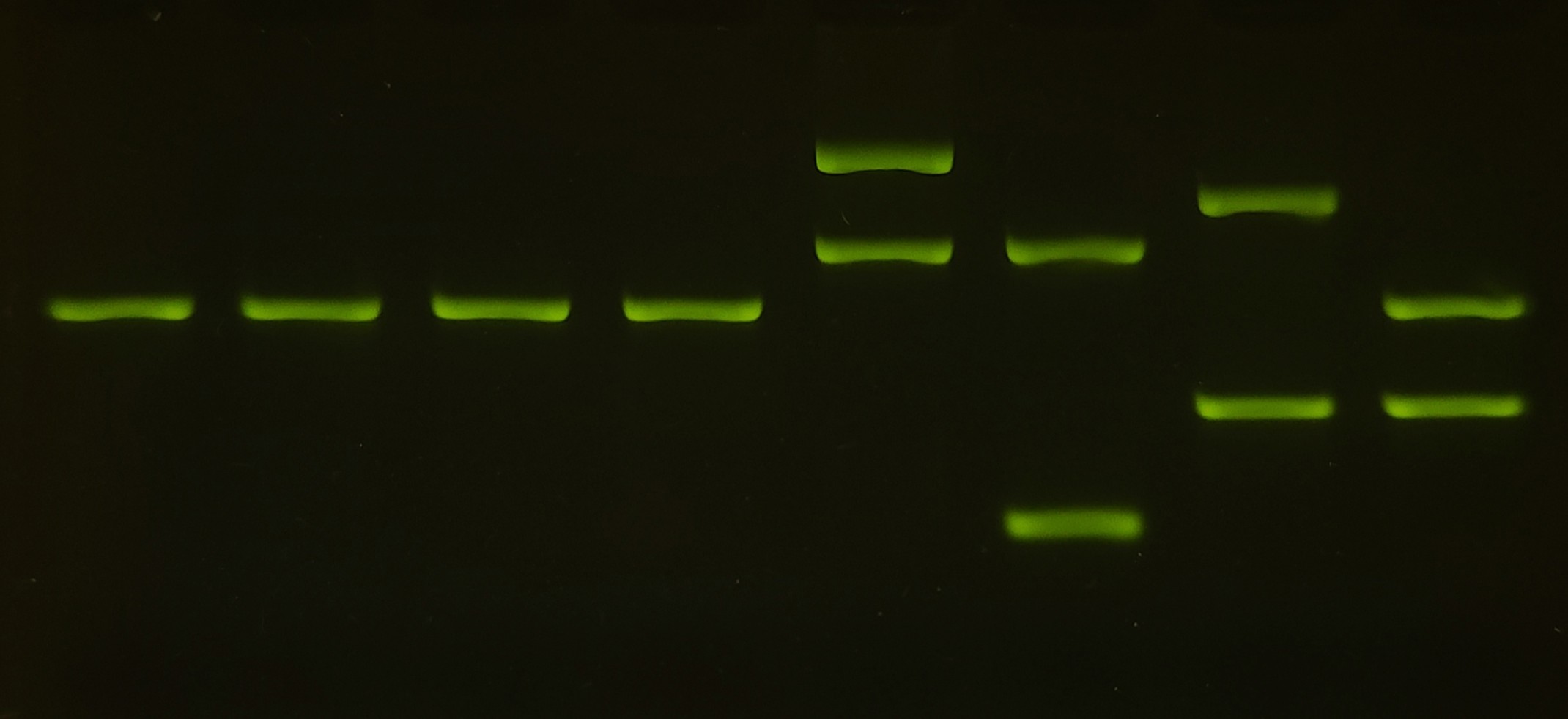
Gel electrophoresis results taken at 19 minutes.
Watch our Learning Lab™ video series! Learn how to implement this lab in your classroom step-by-step.